Cooking from the edge of the water
Sedge cooks from the strip of Maine where the land meets the sea: the tidal rivers, the marshes, the cold bays and the farms just inland.
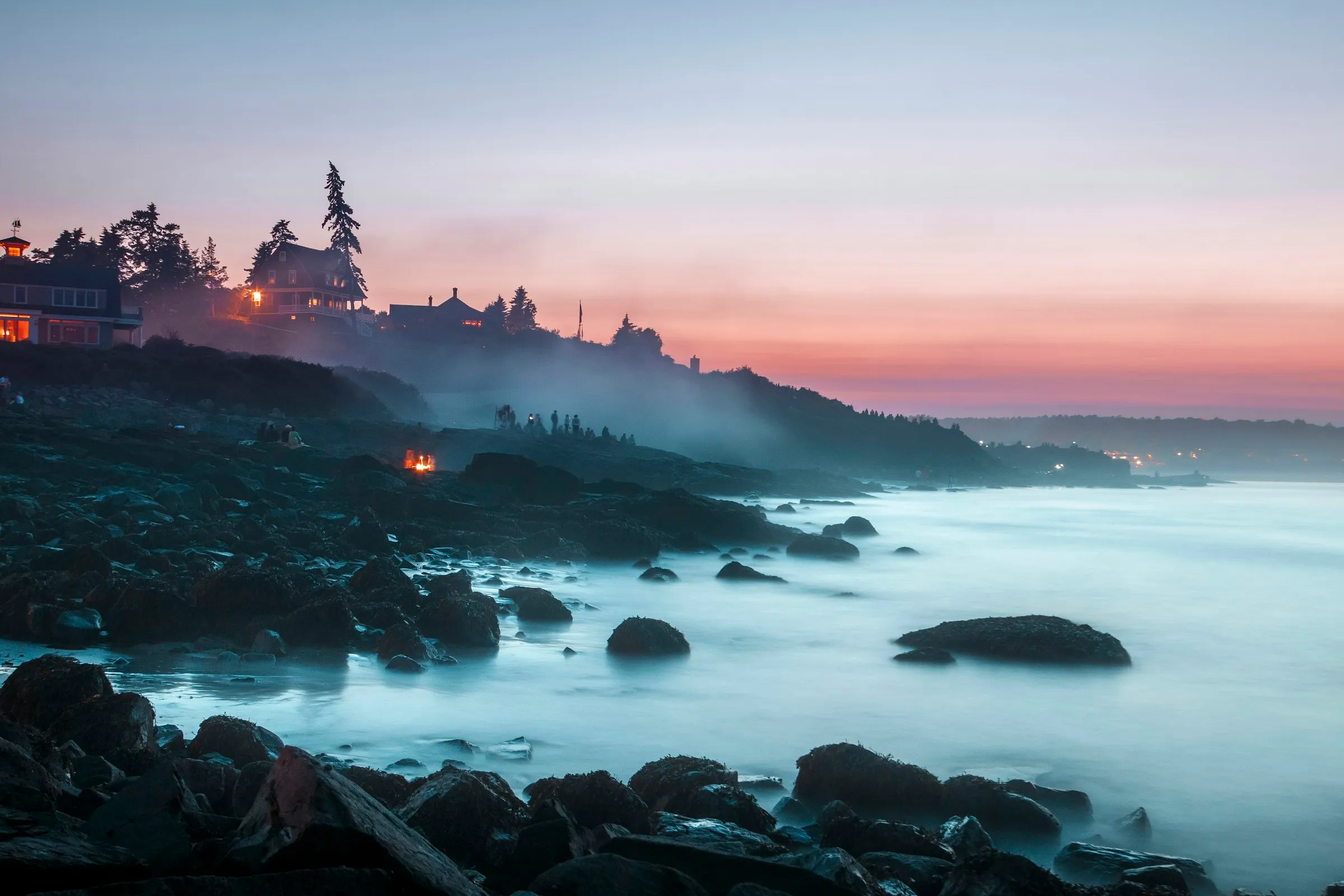
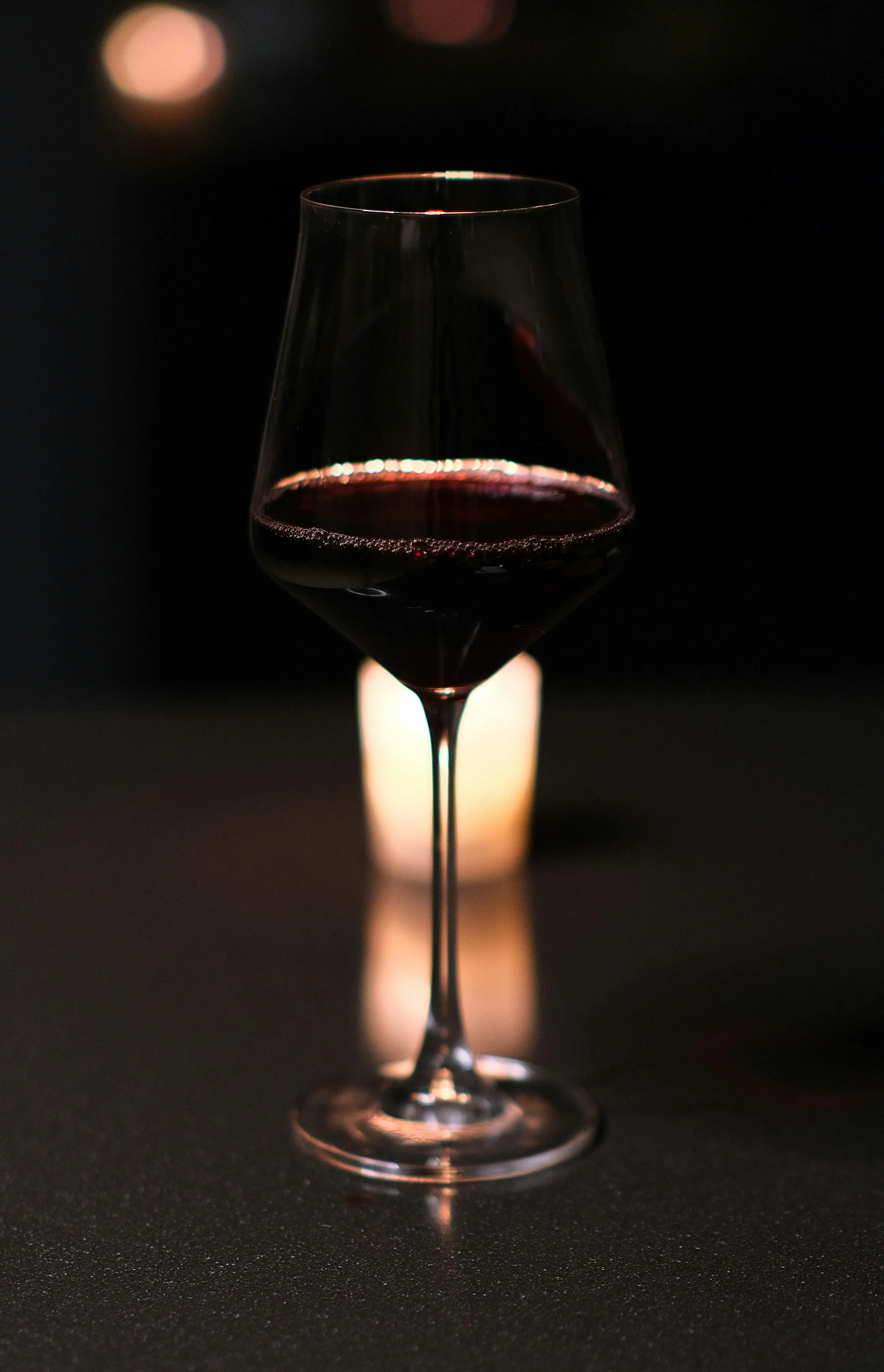
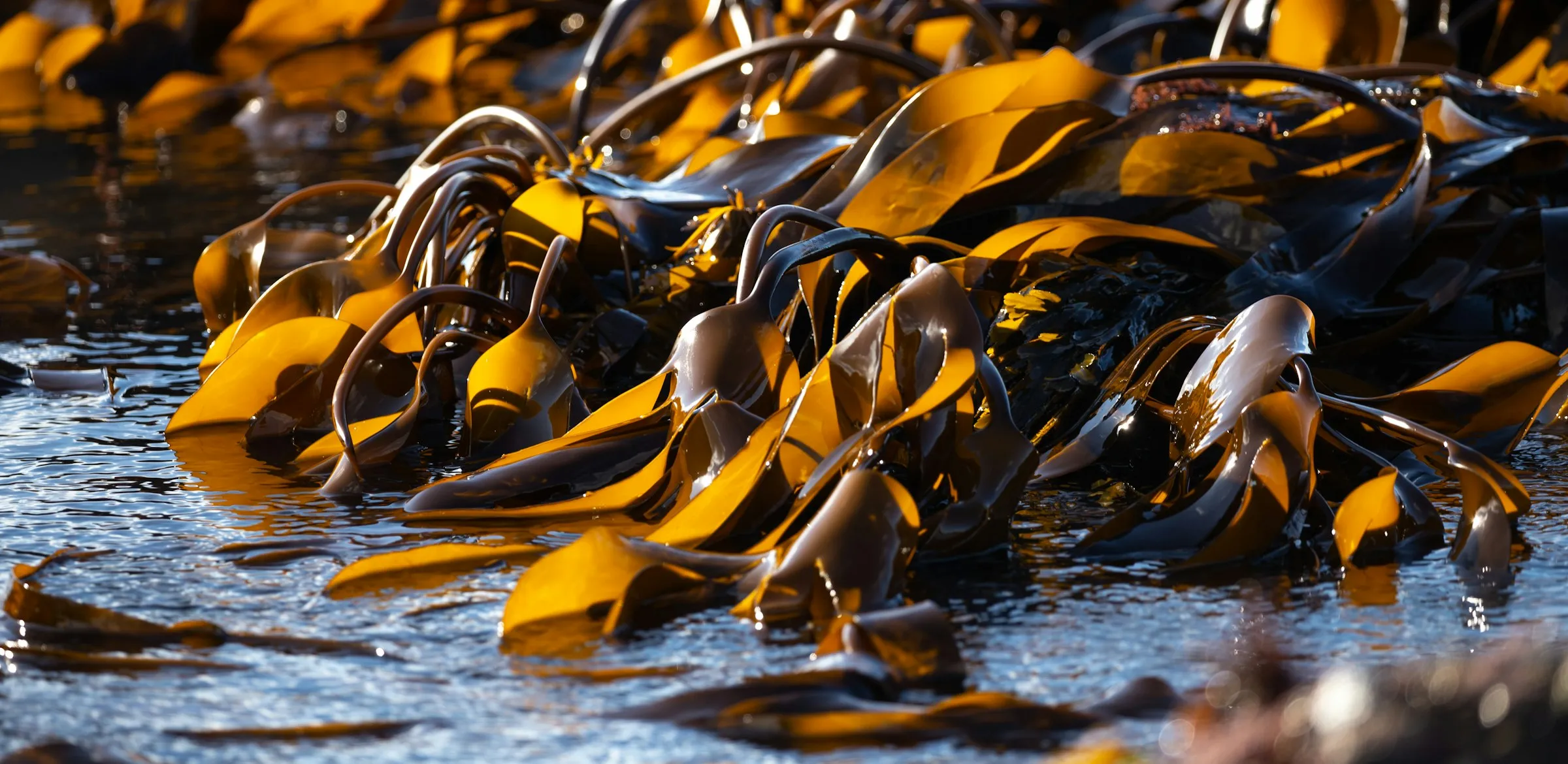
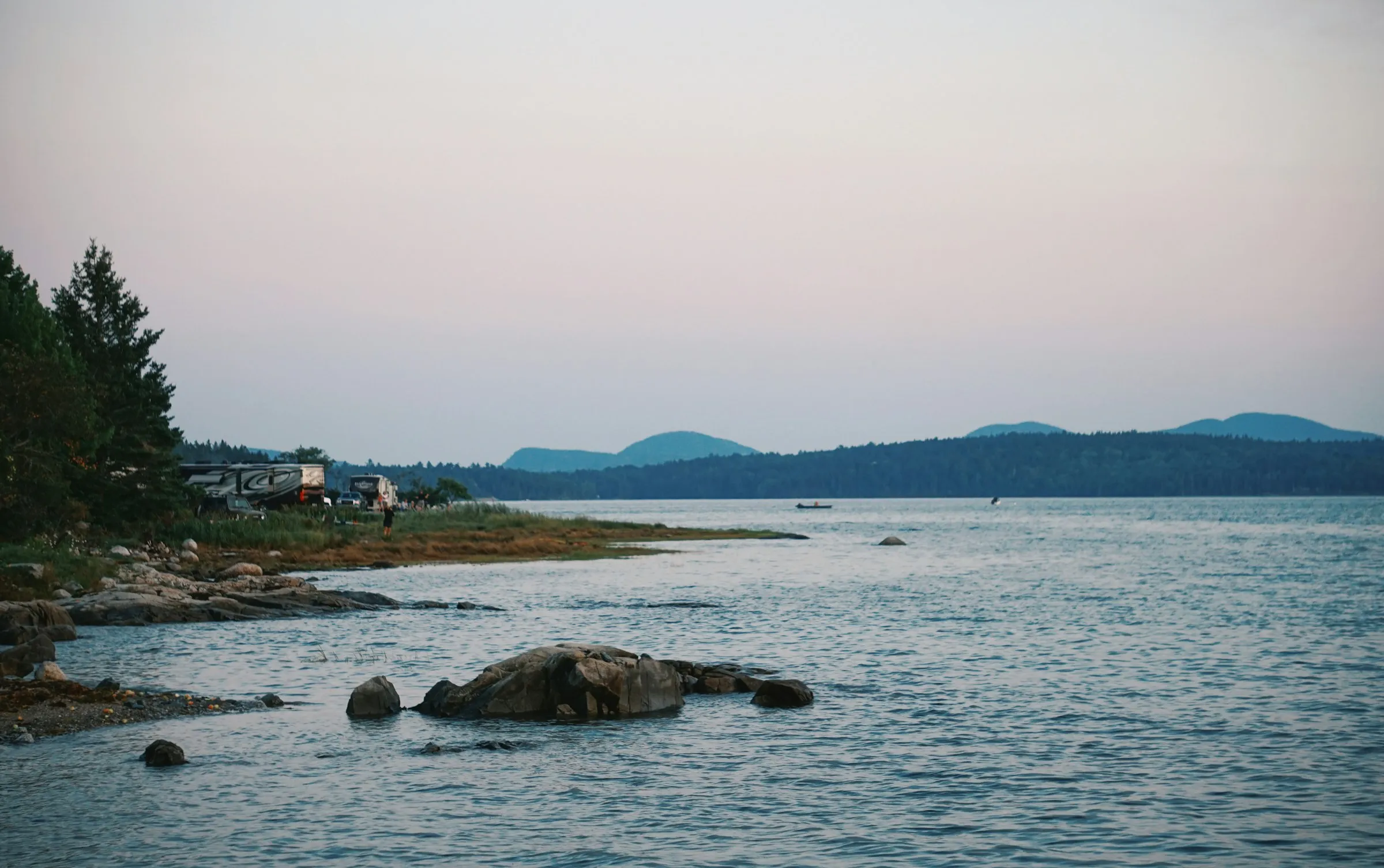
Ada Merrow and Sedge are invented for this concept site. The photographs on this page show the coast and the mood of an evening, not the restaurant.
Ada Merrow
Ada Merrow grew up in a fishing family on the Maine coast and left at eighteen to cook.
She spent twelve years in restaurant kitchens far from the sea, and kept noticing that the best things she cooked were the ones she could have picked up at home: a cold oyster, a handful of dulse, wild blueberries. She came back to Portland to cook only those.
Sedge opened in an old net loft on the East End waterfront. Downstairs there's one long room, with an open kitchen at the far end and twenty-four seats; upstairs, under the old beams, a table for private parties.
One seating a night
Everyone arrives at seven and eats the same menu at the same pace, like guests at one long dinner.
It means the kitchen cooks each course once, at the moment it's best, instead of all night long. Nothing waits under a lamp. We know in the morning how many we're cooking for, so very little is wasted, and there's time to make things slowly: the bread, the miso, the cured yolk.
Where the menu comes from
Nearly everything on the menu comes from within a day's drive. We name the places here, not the growers, because the growers would be as fictional as we are.
- The Damariscotta River
- Oysters, grown in cold tidal water
- Casco Bay
- Rope-grown mussels, sea lettuce and dulse
- The Gulf of Maine
- Scallops, and hake caught on lines offshore
- The barrens Down East
- Wild blueberries, picked in August
- Farms inland
- Wheat, squash, apples, duck and sheep's milk
- The woods
- Mushrooms, spruce tips and sweet fern
Why Sedge
Sedge is the tough grass of the salt marshes, the plant that grows where the tide comes in twice a day and then goes out again.
It lives between the land and the sea, and so does the menu. The menu changes four times a year, with the season.
Background photograph by asaf.